

Industrial packaging
Stretch Wrap or Strapping: Which Packaging for a Pallet?
Stretch wrap and strapping serve different purposes. Learn how each works to package a pallet effectively.
5 min
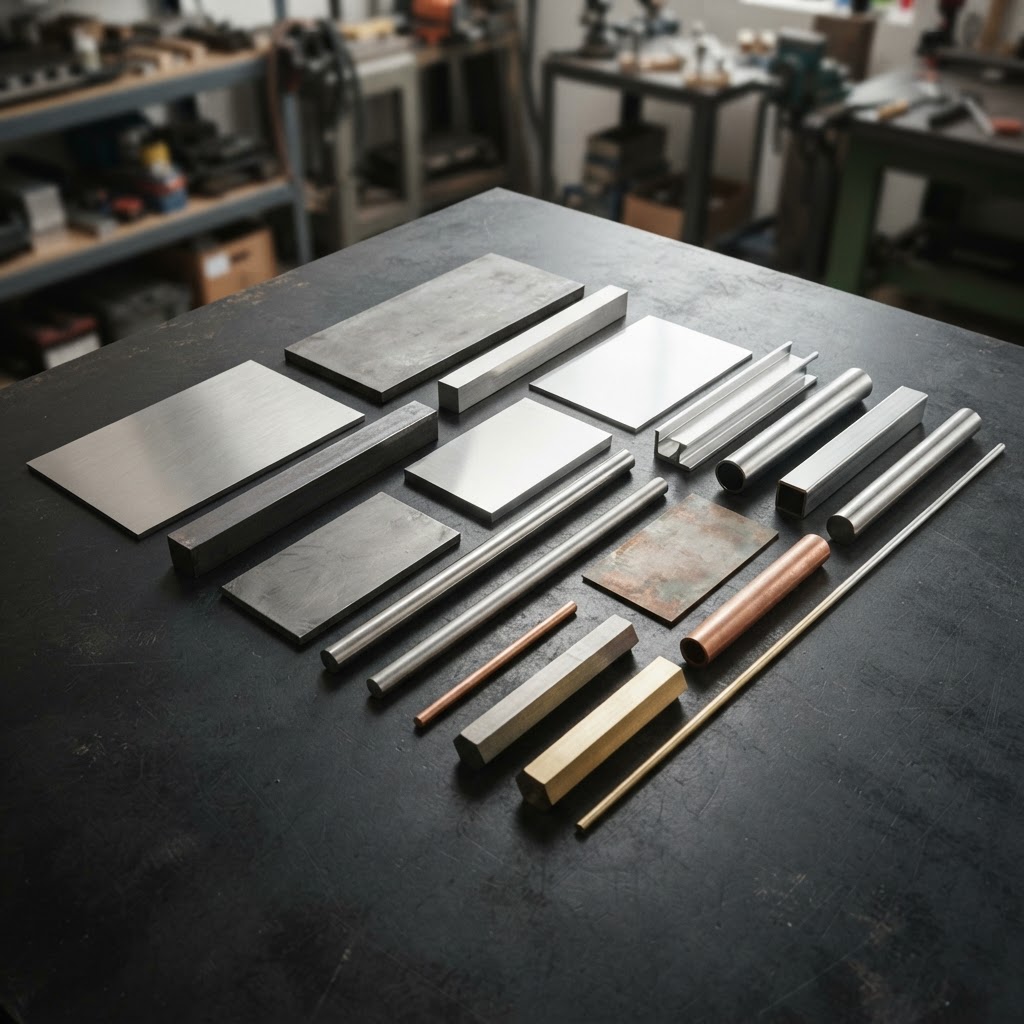
Metal is rarely chosen by default. Each material has its own mechanical properties, corrosion resistance, weight and cost. Choosing the right metal for your application helps prevent failures, extra costs and corrosion problems.
Steel is the go-to metal for mechanical strength. It is available in many grades (carbon steel, alloy steel, galvanised steel) and forms (sheets, bars, tubes, sections). Its main weakness is corrosion: when exposed to air, it rusts unless protected.
Common applications: frameworks, structures, machinery, chassis, treated mechanical parts.
Stainless steel resists corrosion thanks to its chromium content. Grades A2 (304) and A4 (316) are the most common. A4 offers better resistance to chlorides and marine environments. For stainless steel fasteners, see our article A2 or A4 stainless steel.
Common applications: food processing, chemicals, coastal areas, equipment subject to washing.
Aluminium is lightweight, corrosion-resistant and a good conductor. It is less strong than steel but much lighter. It can be machined, welded (TIG, MIG) and bent. It is available in several grades (1000, 2000, 6000 and 7000 series).
Common applications: lightweight structures, enclosures, low-weight parts, electrical conductors, heat exchangers.
Brass (a copper-zinc alloy) is corrosion-resistant, a good conductor and easy to machine. It is used for precision parts, fittings, contacts and decorative components.
Common applications: fittings, taps and valves, electrical contacts, decorative parts, instruments.
If a part is subject to high loads, steel is often the right choice. Stainless steel and brass are less strong. Aluminium is the least strong of the four, but its strength-to-weight ratio is excellent.
In a damp or corrosive environment, stainless steel or aluminium is preferable to unprotected steel. Galvanised or painted steel may be sufficient for moderate exposure.
If weight is a key consideration (transport, aviation, lightweight structures), aluminium is the right choice. Steel is the heaviest of the four.
Brass and aluminium are good conductors. Steel is less conductive. For electrical contacts, brass or aluminium is preferable.
Steel is easy to weld (MIG, TIG, electrode). Stainless steel is welded using TIG with a suitable filler wire. Aluminium is welded using TIG or MIG with specific preparation. Brass can be welded, but requires precautions (zinc release).
Steel is the least expensive of the four. Aluminium and brass cost more. Stainless steel is mid-range. The choice depends on the balance between performance and budget.
| Criterion | Steel | Stainless steel | Aluminium | Brass |
|---|---|---|---|---|
| Strength | High | Moderate | Moderate | Moderate |
| Corrosion | Rusts | Resistant | Resistant | Resistant |
| Weight | Heavy | Heavy | Light | Heavy |
| Conductivity | Moderate | Moderate | Good | Good |
| Machinability | Good | Difficult | Good | Very good |
| Cost | Low | Medium | Medium | High |
Free quote
A reference to price? Send us your request, we review it.
Each metal is available in several grades (chemical composition and mechanical properties). Steel grades are defined by standards (E24, S235, S355, etc.). Stainless steel is designated A2 or A4. Aluminium is identified by series (6060, 6082, etc.). Specify the grade if known.
For critical applications, a material certificate (certificate of conformity) guarantees the composition and properties. Request one if your application requires it.
Metal is available as sheets, bars, round bars, tubes and sections. Specify the form and dimensions according to the intended use (manufacturing, assembly, construction).
Explore our range of metals and alloys to see the available forms and grades.
Metals are available in standard forms:
Standard dimensions vary by metal. Aluminium is available in specific sections (6000 series). Steel is available in standardised sections. Specify the form and dimensions, and we will suggest an available reference.
Each form has dimensional tolerances (as specified by the applicable standard). For a machined part, specify the required tolerance. For a sheet or tube, the standard tolerance is generally sufficient.
Steel, stainless steel, aluminium and brass are not interchangeable. Strength, corrosion resistance, weight, conductivity and cost all influence the choice. Tell us about your application and operating environment, and we will recommend the right metal and grade.
Need metals? Request a quote and we’ll review your requirements.
Free quote
A reference to price? Send us your request, we review it.
Stretch wrap and strapping serve different purposes. Learn how each works to package a pallet effectively.
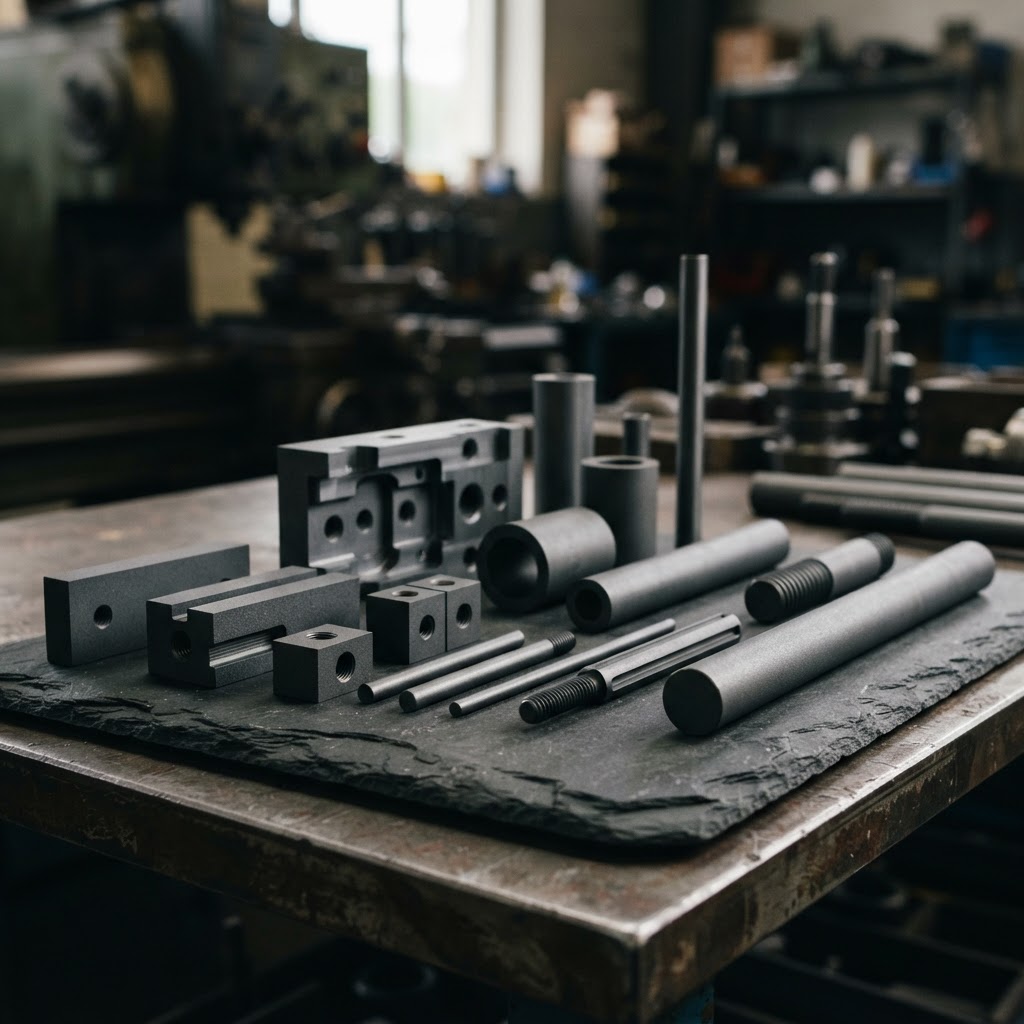
Industrial graphite is used in furnaces, electrodes and technical components. Discover common uses and what information to provide.

PVC, PE, PP, PET: four polymers with different properties. How do you tell them apart and choose the right material for your application?
On-demand sourcing
Off-catalog reference, drawing, photo or specification sheet: send us your request, our team reviews it and gets back to you.
We use audience measurement cookies (Google Analytics 4) to understand how the site is used and improve your experience. Strictly necessary cookies required for the site to function are always active. Learn more